
YOUR ULTIMATE GUIDE TO THE KETOGENIC LIFESTYLE
How to Use Keto to Transform Your Health, Burn Fat, and Reclaim Your Energy
“With the right approach, the benefits of keto—fat loss and disease protection—are accessible to everyone.”
- Are you looking for fast, sustainable weight loss?
- Do you want to experience a massive boost in physical energy and mental clarity every single day?
- Are you ready to reprogram your metabolism and unlock your body’s natural ability to burn fat for fuel?
WHAT IS THE KETOGENIC DIET?
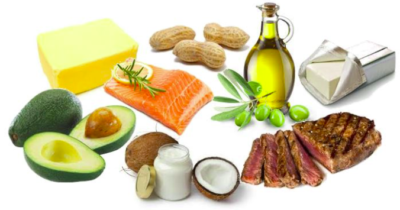
- 70% Healthy Fats
- 20-25% Quality Protein
- 5-10% Low-Glycemic Carbs
The high-carb Standard American Diet is an evolutionary mismatch. Historically, constant access to glucose was an unimaginable luxury. If our ancestors wanted carbohydrates, they had to climb trees for wild honey, spend hours digging up fibrous roots, or wait for seasonal wild fruits to ripen.
Humans evolved to endure periods of food scarcity and low carbohydrate availability. We are biologically hardwired to burn fat and ketones.
In fact, humans are incredibly efficient at entering ketosis. Most of us enter a mild state of ketosis every single morning when we wake up. Breastfed infants spend a massive portion of their time in ketosis. We were literally born to utilize ketones, and by emulating this ancestral metabolic environment, we unlock profound health benefits today.
KETO DIET – FREQUENTLY ASKED QUESTIONS (FAQ)
How long does it take to enter ketosis?
It takes a short transitional period for your body to adapt and enter the metabolic state known as ketosis. This process typically takes anywhere from 2 to 7 days, depending on your body composition, daily activity levels, and metabolic history. You can significantly speed up this process by working out on an empty stomach, strictly restricting your net carbs to 20 grams per day (or less), and increasing your daily water intake.
Do I need to count calories on Keto?
Generally speaking, no—you don’t need to obsess over counting calories on a ketogenic diet. Why stress yourself out with unnecessary tracking? Healthy fats and quality proteins are incredibly satiating, meaning they will naturally suppress your appetite and keep you full and energized all day long. However, on intense workout days, your caloric deficit might drop a bit too low, so you may want to eat slightly more to fuel recovery.
Can I eat as much fat as I want?
The short answer is YES. However, if we look a bit deeper, your body still obeys the laws of thermodynamics. To ensure consistent weight loss, you need a healthy caloric deficit. Since dietary fat is highly calorie-dense, eating it excessively without boundaries can slow down your progress. The goal is to eat enough fat to stay full and satisfied, letting your body burn its own fat stores for the rest.
How much weight will I lose on Keto?
The exact amount of weight you will lose depends entirely on your unique starting point and consistency. During the first week, you will experience rapid weight loss (often dropping 4 to 8 pounds). This initial drop is mostly water weight because entering ketosis flushes out retained fluids. Even though this isn’t pure fat loss yet, the great news is that it’s the definitive signal that your body is successfully turning into a fat-burning machine!
How do I know if I am in ketosis?
The easiest and most budget-friendly way to check if you are in ketosis is by using Keto Urine Strips, which you can easily find at any local pharmacy or online. These strips measure the level of unused ketones in your urine, changing color to shades of pink or deep purple to confirm you’re in the zone. While there are more precise methods—like blood ketone meters or breathalyzers—urine strips are perfect, highly accessible tools for beginners.
Constipation on Keto: What should I do?
Can I drink alcohol on a Ketogenic diet?
Alcohol is not strictly banned on Keto, but you must be strategic and watch out for hidden carbohydrates. Pure distilled spirits (like vodka, tequila, gin, and whiskey) contain zero carbs and are your best choices. You must absolutely avoid sugary drinks, traditional cocktails, regular beer, and sweet liqueurs, as they are packed with sugar and will instantly kick you out of ketosis.
Is Keto safe for the long term?
Absolutely. Countless people live a long-term ketogenic lifestyle and experience thriving health. If you feel fantastic, energetic, and healthy on Keto, there is no reason to stop. It is a completely sustainable way of eating.
Can I build muscle while on Keto?
Yes, absolutely. With adequate protein intake and proper resistance training, you can build clean, lean muscle mass while on Keto.
How long does it take to become fully fat-adapted?
You need to remain in a consistent state of ketosis for 4 to 6 weeks for your cellular machinery to fully adapt to using fat as its primary fuel. This is exactly why our *One-Time KETO Start Program* is engineered—to guide you seamlessly through this critical transformation phase without the guesswork.
Keto terms
AUTOPHAGY:
BETA-HIDROKSIBUTRIAT (BHB):
CARBOHYDRATES (CARBS):
Carbohydrates are dietary molecules (sugars and starches) that the body breaks down into glucose for fuel. While they are one of the three major macronutrients, they are the only non-essential one—meaning the human body can survive and thrive completely without them. The core of the Keto diet is strict carb restriction to halt glucose production.
ELECTROLYTES:
FATS:
FAT BOMBS:
Fat bombs are high-fat, low-carb snacks typically made from a combination of ingredients like grass-fed butter, coconut oil, nuts, and seeds. They are an excellent tool for beginners to hit their daily fat macros and keep energy levels stable without triggering insulin spikes.
GLUCONEOGENESIS (GNG):
Gluconeogenesis is a metabolic pathway where the body creates its own glucose from non-carbohydrate sources, such as excess dietary protein or amino acids. While GNG is a normal survival mechanism, consuming massive oversupplies of protein can sometimes trigger excess GNG and temporarily kick you out of ketosis. Keeping your macros balanced prevents this.
GLUCOSE:
Glucose is a simple sugar that the body uses for quick, cheap energy, resulting from the digestion of carbohydrates. Shifting away from glucose dependency is the core objective of Keto. Over-relying on glucose as a primary fuel source is heavily linked to metabolic damage, type 2 diabetes, and obesity.
GLYCOGEN:
Glycogen is the stored form of glucose, kept primarily within your muscles and liver. Before your body can transition into deep ketosis, it must first deplete its stored glycogen reserves. This initial depletion process is why fully entering ketosis can take anywhere from a few days to two weeks.
INSULIN RESISTANCE:
Insulin resistance occurs when the body is chronically flooded with glucose from a high-carb diet. Over time, your cells become numb to insulin, forcing the pancreas to pump out even more of it. This chronic state stops fat burning, drives weight gain, causes systemic inflammation, and eventually leads to Type 2 Diabetes.
INSULIN:
Insulin is a master storage hormone produced by the pancreas to regulate blood sugar levels. When you eat carbs, glucose spikes, and insulin steps in to push that glucose into your cells. If your blood sugar drops too low, insulin levels drop, allowing your body to access stored energy.
INTERMITTENT FASTING (IF):
Intermittent Fasting is an eating pattern that cycles between periods of fasting and eating (such as the popular 16:8 method—16 hours of fasting, 8 hours of eating). IF works beautifully with Keto because it accelerates fat burning, lowers insulin, and triggers deep cellular autophagy.
KETO FLU:
The Keto Flu is a temporary group of symptoms (lethargy, brain fog, headaches, mild nausea, or dizziness) that some individuals experience during the first week of transitioning to Keto. It is not an illness; it is simply a symptom of electrolyte depletion caused by the diet’s natural diuretic effect. It is easily prevented or cured by increasing your intake of sea salt and magnesium.
KETOSIS:
Ketosis is a natural metabolic state where your liver converts fatty acids into ketones, successfully shifting your body’s primary fuel source from glucose to fat. Nutritional ketosis is clinically defined as having blood ketone levels between 0.5 and 3.0 mmol/L.
KETONES:
Ketones are energy-rich molecules produced by the liver from broken-down fats. They are a highly efficient, premium alternative to glucose, providing cleaner energy for your muscles and unmatched mental clarity for your brain.
LCHF:
LCHF stands for Low-Carb, High-Fat. It is a broader umbrella term for lifestyles that restrict carbohydrates and prioritize healthy fats, with Keto being the most structured and metabolically targeted version of LCHF.
LIPOLYSIS:
Lipolysis is the biochemical process of breaking down stored body fat into free fatty acids. These fatty acids are then transported to the liver, where they are converted into ketones to power your body during ketosis.
MACROS (MACRONUTRIENTS):
Macros are the three main nutritional building blocks of your food: Fats, Proteins, and Carbohydrates. While fat and protein are essential for human survival, carbohydrates are non-essential. Managing your macro ratios is the key to entering and maintaining ketosis.
NET CARBS:
Net carbs represent the actual carbohydrates that your body absorbs and converts into glucose. Since dietary fiber and certain sugar alcohols cannot be fully digested, they do not spike blood sugar and are subtracted from your total carb count. Net Carbs = Total Carbs – Fiber. On Keto, net carbs are the only carbs that matter.
PROTEIN:
Protein is an essential macronutrient required for muscle retention, cellular repair, and immune function. On a ketogenic diet, protein is kept moderate (around 20-25% of your daily calories) to support muscle mass while preventing your body from over-relying on gluconeogenesis.
SUGAR ALCOHOLS:
Sugar alcohols (such as Erythritol, Xylitol, or Sorbitol) are low-calorie sweeteners used as sugar substitutes in Keto baking and products. They do not fully metabolize into glucose, meaning they keep your blood sugar flat and keep you safely in ketosis.
TYPE 1 DIABETES:
Type 1 Diabetes is an auto-immune condition where the pancreas produces little to no insulin. Individuals with Type 1 Diabetes must manage their nutrition under medical supervision to avoid diabetic ketoacidosis (DKA)—a dangerous, uncontrolled medical state distinct from safe, nutritional ketosis.
TYPE 2 DIABETES:
Type 2 Diabetes is a metabolic disease characterized by chronic high blood sugar and severe insulin resistance, heavily driven by modern high-sugar, high-carb diets. Leading physicians worldwide now recognize the Ketogenic diet as one of the most powerful, effective lifestyle therapies to manage and reverse Type 2 Diabetes.
TYPE 3 DIABETES: